Hidden Beauty: A Versatile Sans Serif for Editorial Design
The Elegance of a Retro-Futuristic Typeface
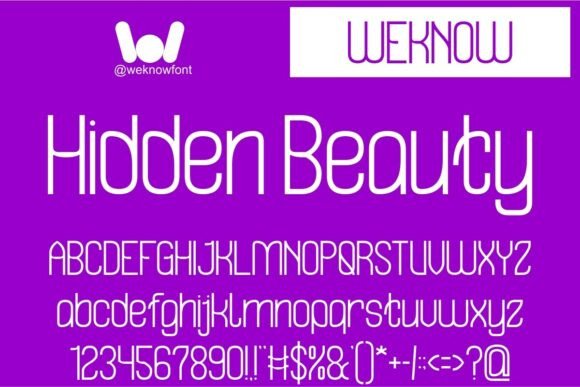
Hidden Beauty is more than just a font—it’s a design language. Inspired by the elegance of Art Deco, this geometric sans-serif typeface blends retro-futurism with modern readability. Its rounded monoline structure gives it a friendly yet sophisticated feel, making it ideal for editorial work that demands both style and clarity.
Why Hidden Beauty Works in Editorial Design
As a publisher or content creator, you know how crucial typography is to the overall reader experience. Hidden Beauty excels in environments where visual hierarchy and brand identity are key. Whether you're crafting a blog post, designing a magazine cover, or laying out an ebook, this font offers a unique balance between aesthetic appeal and functional readability.
Its clean lines and consistent weight make it highly legible across various formats, from digital screens to printed materials. The font's personality—both elegant and approachable—makes it adaptable to a wide range of editorial styles, from lifestyle blogs to professional publications.
Using Hidden Beauty in Your Content Layouts
Hidden Beauty is incredibly versatile. It can be used as a display font for headers, titles, and pull quotes, or paired with a readable serif font for body copy. For instance, on a lifestyle blog, you might use Hidden Beauty for the headline while pairing it with a classic serif typeface for the article text. This contrast enhances visual interest without compromising readability.
In print, Hidden Beauty works well with other sans serif fonts for captions, sidebars, and navigation elements. On digital platforms, its clean structure ensures it looks sharp on all screen sizes, including mobile devices. This adaptability makes it a valuable asset for any content creator looking to maintain a cohesive design language across multiple mediums.
Enhancing Brand Identity with Hidden Beauty
Brand identity is built on consistency, and Hidden Beauty supports that through its strong visual character. When used consistently across your publication’s branding, it helps establish a recognizable tone and style. From logo design to social media graphics, Hidden Beauty can become a signature element of your brand’s visual language.
For example, a digital magazine might use Hidden Beauty in its cover design and section headings to create a sense of sophistication. A wedding guide could leverage its elegant curves for title pages and quote graphics, reinforcing a theme of timeless beauty. In each case, Hidden Beauty adds a touch of refinement that aligns with the brand’s values and audience expectations.
Practical Applications Across Content Formats
Whether you're creating a printable planner, a course workbook, or a paid newsletter, Hidden Beauty offers practical benefits. Its readability in longer texts makes it suitable for body copy in guides, tutorials, and educational content. At the same time, its bold and stylized features make it perfect for headlines, chapter openers, and lead magnets.
Consider using Hidden Beauty for a recipe ebook. Its clear structure ensures that ingredients and instructions are easy to read, while its decorative flair can be applied to headers and pull quotes. Similarly, a coaching workbook might use Hidden Beauty for section headings and motivational quotes, adding a touch of professionalism and warmth to the content.
When designing for web, ensure that Hidden Beauty is included in your CSS styles and tested across different browsers and devices. For PDF exports, verify that the font is embedded properly to maintain its appearance in print. These considerations help ensure that your design remains consistent and visually appealing in every format.
Font Pairing and Design Flexibility
Hidden Beauty pairs well with a variety of other fonts, depending on the desired effect. For a modern look, pair it with another clean sans serif font like Montserrat or Lato for captions and navigation. For a more traditional feel, consider pairing it with a serif font such as Georgia or Baskerville for body text.
When designing for editorial layouts, experiment with different weights and styles to create visual interest. Hidden Beauty includes several alternates and ligatures that can be used to enhance typographic richness without overwhelming the reader. Additionally, check if the font supports multilingual characters, which is essential for international audiences.
Commercial Licensing and Legal Considerations
As a content creator, it’s important to understand the licensing terms for fonts you use. Hidden Beauty is available for commercial use, making it suitable for ebooks, templates, printables, and paid newsletters. Always verify the specific license details to ensure compliance, especially when working with client publications or digital downloads.
When incorporating Hidden Beauty into your design assets, remember that proper licensing not only protects your work but also ensures that your audience receives the best possible reading experience. This attention to detail reflects your commitment to quality and professionalism.